
Footage and evidence · 10 November 2026 · 3 min read
Preserving dash cam footage after a suspicious road incident
Practical steps for saving original footage, recording the time and keeping evidence private after an incident that seems suspicious.
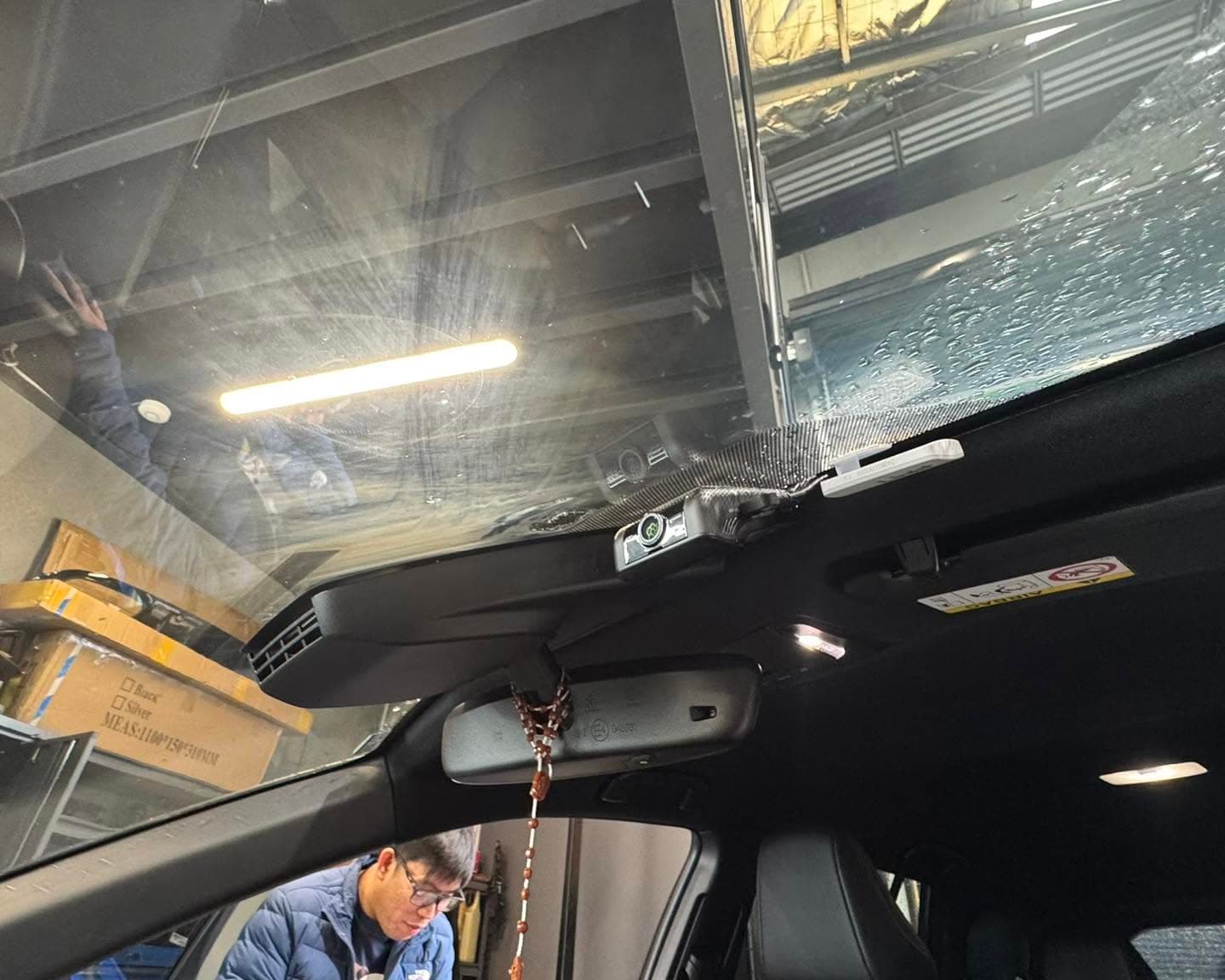
An incident that feels suspicious can be stressful, but footage is most useful when it is preserved carefully and reviewed without assumptions. A recording may show movements and timing that are difficult to recall afterwards. It does not automatically prove another driver's intentions or establish who is responsible. Prioritise immediate safety and use official emergency, police and insurer channels appropriate to the circumstances.
Once it is safe, identify the relevant time and protect the recording according to your camera's instructions. Loop recording can overwrite files when storage fills up. Some systems lock an event automatically, but you should check that the file is present and playable instead of assuming an impact sensor captured everything. Avoid interacting with the camera while driving or standing in an unsafe position.
Save the original files from every available camera channel, including the period before and after the event. A short edited clip may leave out context that helps explain the sequence. Keep an untouched copy in separate storage and use another copy for any viewing or editing. If your camera splits footage into short segments, check the neighbouring files as well as the one carrying the event time.
Make a simple note of the incident time, location and the camera's displayed time. If the camera clock was wrong, record the difference rather than modifying the original video to make it look correct. A clear file naming system helps you find the material later, but keep the originals and any accompanying files the camera produced. Check that your backup actually opens before removing a memory card from use.
Share footage through the official process requested by the relevant organisation. Be careful about posting accusations, registration plates, faces or private details publicly. Let the people assessing the incident examine the context rather than presenting a social-media edit as a conclusion. If you are unsure what information to provide or retain, ask the organisation handling the matter or an appropriate adviser.
Before an incident happens, practise exporting a routine clip from your own camera. Check the date, time, card health and front and rear views periodically. A camera that has stopped recording cannot recreate an earlier event. SpeedSafe can explain the basic playback and export process during installation handover; keep the model instructions available so you can repeat the steps calmly when the footage matters.